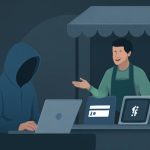
The digital underground is a complex ecosystem where bin non vbv data, cardable websites, and trusted vendors operate in plain sight. For those exploring this space—whether out of curiosity or necessity—understanding the mechanics behind non VBV bins, linkable cards, and reliable carding sources is critical. This article breaks down how these elements interconnect, what makes a legit cc shop trustworthy, and how to navigate the landscape without falling into traps. We will also examine real-world detection methods used by merchants and why the demand for a non vbv bin list continues to grow.
What Are Non VBV Bins and Why Do They Matter?
At the core of carding lies the concept of VBV—Verified by Visa—a security protocol that requires an additional password or one-time code during online transactions. Bin non vbv refers to credit card BINs (Bank Identification Numbers) that bypass this extra layer of authentication. These cards are prized because they allow transactions to proceed with only the card number, expiration date, and CVV, making them highly cardable on vulnerable merchant sites.
Why is this important? In the carding world, success hinges on frictionless checkouts. A non VBV bin reduces the risk of declined transactions and avoids triggering security alerts. These BINs are typically associated with prepaid cards, certain bank-issued credit cards from regions with lax security, or cards that have been deliberately stripped of VBV by insiders. The process of identifying these BINs is meticulous. Carders compile non vbv bin list datasets by testing thousands of BINs against payment gateways. A single working BIN can unlock a stream of profitable purchases, from electronics to gift cards.
However, not all non VBV bins are equal. Some are "fresh"—newly issued and untested—while others are "burned" after being reported or flagged. The lifecycle of a BIN is short. Merchants, payment processors, and fraud detection systems constantly update their rules. To stay ahead, carders rely on real-time feeds from legit cc shops that verify BIN validity before selling. These shops act as intermediaries, offering not just data but also tutorials, proxy setups, and even refunds on dead bins. The demand for reliable sources has given rise to a specialized market where trust is the rarest commodity.
Understanding the technical side also matters. Non VBV bins are not magical; they exploit gaps in authentication. For example, some e-commerce platforms do not enforce 3D Secure checks due to merchant settings or outdated APIs. A carder using a valid non VBV bin can place an order without ever seeing a password prompt. This is why online retailers are shifting toward machine learning models that analyze behavior—such as IP geolocation, device fingerprinting, and purchase velocity—to catch fraud even when the BIN is "clean." The cat-and-mouse game continues.
How to Identify Cardable Sites and Legit CC Shops
Knowing which websites accept linkable cards without triggering fraud alerts is half the battle. A cardable site is any online store that lacks robust security measures, such as requiring CVV2 for all transactions or checking billing address consistency. These sites often sell digital goods—VPN accounts, streaming subscriptions, software licenses—because they are instantly delivered and hard to trace. Physical goods are riskier due to shipping address verification, though some carders use drop services to receive packages.
Finding cardable sites requires reconnaissance. Forums, Telegram channels, and dark web markets share updated lists. But the real value is in legit cc shops that bundle BIN data with site-specific guides. These shops provide dumps (full card data) and fullz (personal information including SSN and DOB), but their credibility varies. A legit cc shop offers escrow, buyer protection, and consistent quality. They also maintain a catalog of cardable sites that are currently working, often referencing recent successful orders. Some even test each site before listing it, ensuring the checkout flow accepts non VBV bins.
Real-world examples illustrate the risks. In 2023, a major operation dubbed "Operation Carder" was dismantled, leading to the arrest of vendors who sold fake non vbv bin lists. Victims paid hundreds of dollars for data that was already blacklisted. In contrast, successful carders use shops that have been vetted by community reputation—like the one you can find at linkable cards—where transparency and verified feedback reduce the gamble. The key is to look for sellers who offer sample BINs for testing before purchase.
Beyond shops, manual verification remains a staple. Carders use tools like BIN checkers to query a BIN's bank, country, card type, and VBV status. If a BIN returns "non VBV" but the associated bank is known for strict fraud controls, it may still fail. The most effective approach is cross-referencing multiple sources: a non vbv bin list from a trusted forum, a real-time checker, and a test transaction on a low-value cardable site. If the payment goes through, the BIN is likely good. But even then, speed matters—many cards get locked within hours after the original owner notices unauthorized activity.
Another factor is the type of payment gateway. Sites using Braintree, Square, or Authorize.net are more prone to carding because their default settings do not always enforce 3D Secure. Meanwhile, sites with Stripe Radar or custom ML-based blockers are harder to crack. Carders adapt by using residential proxies and slow checkout flows to mimic genuine customers. This is where legit cc shops provide value—they often share the exact proxy configurations and browser fingerprints that work for a given site. It is a niche knowledge economy.
Sub-topics: Real-World Cases and Detection Mechanisms
To enrich the discussion, consider how modern AI image detectors—the same technology used to discern AI-generated images—are now being repurposed for fraud detection. While the original "about" line mentioned an AI image detector, the parallel is relevant: just as machine learning models analyze pixel patterns to determine authenticity, merchant fraud detection models analyze transaction patterns to identify carding. For example, a non VBV transaction that originates from a proxy in a different country than the cardholder's billing address, combined with a fast checkout time, raises red flags. Merchants using such models can block cardable sites from being exploited even if the BIN is technically valid.
One real-world case study involved a mid-sized electronics retailer. The store implemented a custom ML model that looked at 30+ variables including mouse movement, keystroke speed, and tab switching. Within weeks, their decline rate for non vbv bin transactions dropped by 40%, but carders quickly adapted by using bots that mimicked human input delays. The lesson: detection is an arms race. Meanwhile, legit cc shops updated their BIN lists to exclude any BIN that had been flagged by that retailer's system. This dynamic exchange of data between carders and merchants shapes the underground economy.
Another notable trend is the rise of linkable cards—cards that can be added to digital wallets like Apple Pay or Google Pay without triggering a full VBV challenge. These are especially dangerous for merchants because wallet transactions often carry reduced fraud liability. Carders exploit this by linking a stolen card to a fresh wallet account and then using contactless payments at physical stores. However, the online carding ecosystem remains dominant because of the anonymity it offers. The best non vbv bin list databases now include wallet-linked BINs separately.
For anyone diving into this world, the golden rule is verification. No legit cc shop guarantees 100% success, but the best ones offer refunds on bins that fail within 24 hours. Always test on a small site before moving to high-value targets. And remember: the use of stolen cards is illegal in most jurisdictions. This article is for educational purposes only, to explain the mechanics behind the search terms bin non vbv, cardable sites, linkable cards, legit cc shops, and non vbv bin list. Understanding the system helps merchants protect themselves and helps researchers track cybercrime trends.